
How Does Electronic Signature Enhance Business Processes?
The digital world offers a paperless experience for businesses, which brings numerous benefits. First and foremost, going paperless reduces costs associated with paper usage, printing, and storage.
 | 6 minute(s) read | Published on: Apr 14, 2023 Updated on: Apr 14, 2023 |
It also saves time, as digital documents can be accessed, edited, and shared instantly from anywhere.
Going paperless is also environmentally friendly, as it reduces the amount of paper waste and the carbon footprint of a business. Additionally, digital documents are more secure than paper documents, as they can be password-protected, encrypted, and backed up in the cloud. A paperless office is more organized, efficient, and easy to manage, as there is less clutter and paperwork to sort through. Digital signatures or eSignature provide a secure and efficient way for businesses to sign and authenticate documents electronically, eliminating the need for paper.
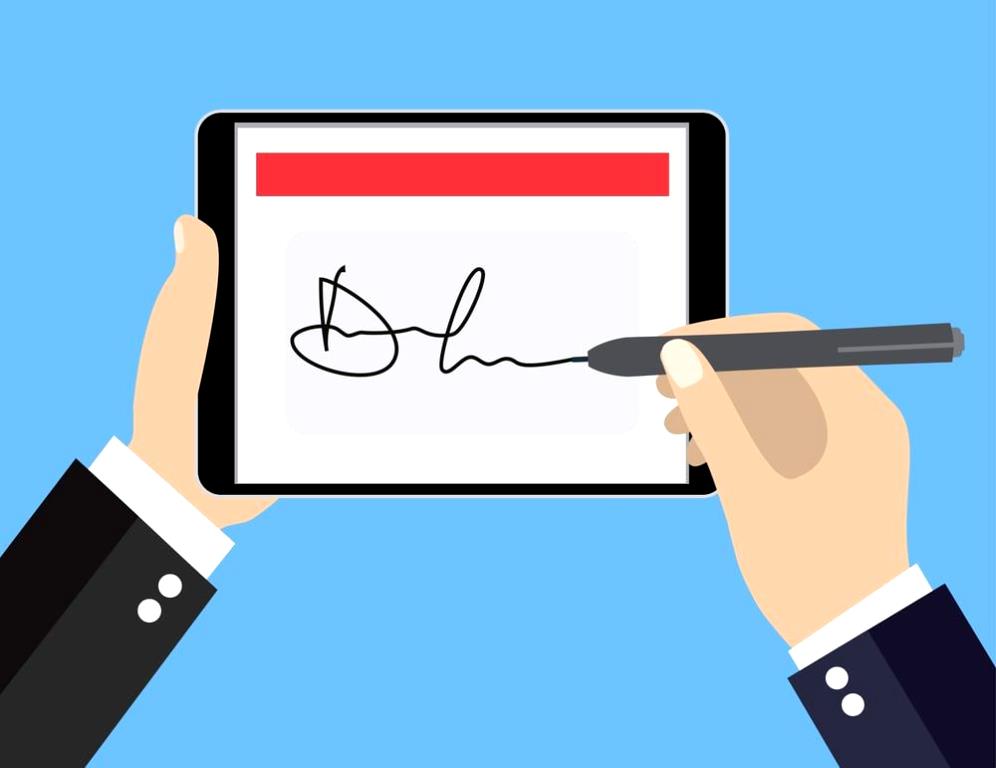
What is an eSignature?
A digital signature or eSignature is an electronic method of signing a document that provides a secure and legally binding way to authenticate the identity of the signer, confirm the integrity of the document, and ensure non-repudiation. In other words, it ensures that the signer cannot deny having signed the document.
How does it work?
The technology that enables digital signatures is based on public key cryptography, which involves the use of two keys - a private key and a public key - to encrypt and decrypt data. The private key is kept secret by the signer and is used to sign the document, while the public key is shared with others and is used to verify the signature.
When a digital signature is created, a mathematical algorithm is used to generate a unique digital fingerprint of the document, also known as a hash. The signer then applies their private key to the hash, which creates a digital signature. This signature is attached to the document and can be verified using the signer's public key. If the document is modified in any way, the signature will no longer be valid.
To use digital signatures, businesses need to use specialized software that supports the creation and verification of digital signatures. This software typically includes a digital signature creation tool that allows the signer to apply their private key to the document and a verification tool that checks the signature against the public key of the signer to ensure that it is valid.
There are several types of digital signatures, including basic, advanced, and qualified. Basic digital signatures are the most common and are used for everyday transactions. They provide a basic level of authentication and can be created using standard software, such as Adobe Acrobat. Advanced digital signatures provide a higher level of security and are used for more sensitive transactions, such as contracts or legal documents. They require the use of specialized software and a digital certificate from a trusted third-party provider. Qualified digital signatures are the highest level of security and are legally recognized in many countries. They require the use of a qualified certificate from a trusted third-party provider and are subject to strict regulations.
Benefits of eSignature
There are several benefits of using eSignatures that businesses should consider, including:
Increased efficiency
eSignatures can significantly streamline the document signing process by eliminating the need for printing, scanning, and mailing documents. With eSignatures, documents can be signed and returned in minutes, which can help businesses to speed up their operations and reduce turnaround times.
Cost savings
Ensuring businesses reduce costs associated with paper usage, printing, postage, and storage is an important forte of digital transformations. By going paperless, businesses can save money on printing supplies, mailing expenses, and physical storage space, which can improve their bottom line.
Enhanced security
The concept of eSignature is embraced as it provides a high level of security and authenticity by using encryption and digital certificates to verify the identity of the signer and ensure that the document has not been tampered with. This can help to protect sensitive information and reduce the risk of fraud or disputes.
Improved compliance
eSignatures are legally binding in most countries and are recognized by many regulatory bodies. By using eSignatures, businesses can ensure that they comply with industry standards and legal requirements for document signing, which can reduce the risk of legal disputes and improve their reputation.
Steps to implement eSignature solutions effectively
Implementing eSignatures in businesses effectively requires careful planning and consideration of several key factors. Here are some steps that businesses can take to ensure a smooth and successful eSignature implementation:
- Choose the right eSignature solution
There are many eSignature solutions available on the market, each with its features and capabilities. Some solutions are designed for small businesses, while others are more suited to larger enterprises. Consider factors such as ease of use, integration with existing systems, security, and compliance when choosing an eSignature solution.
- Train employees
It's important to provide employees with training on how to use the eSignature solution effectively. This can include training on how to create, sign, and manage documents, as well as best practices for maintaining security and compliance.
- Develop a policy for eSignature usage
Establishing clear policies and procedures for eSignature usage can help to ensure that documents are signed properly and that the eSignature solution is used by following legal and regulatory requirements. This can include guidelines for document storage, retention, and disposal, as well as rules for verifying the identity of signers.
- Test and pilot the solution
Before rolling out eSignatures across the organization, it's important to test and pilot the solution to ensure that it works as expected and that employees are comfortable using it. This can help to identify any issues or areas for improvement before implementing the solution more widely.
- Monitor and evaluate usage
Once eSignatures are implemented, it's important to monitor usage and evaluate the effectiveness of the solution over time. This can include tracking metrics such as the number of documents signed, turnaround times, and user satisfaction, as well as identifying any issues or areas for improvement.
Conclusion:
Now is the time to change to a paperless form of securely signing documents for the enhanced benefits like safety and eco-friendly aspects that an eSignature platform
